Village Halls Week 2026: Celebrating Community Spirit in Northumberland
24th Mar 2026
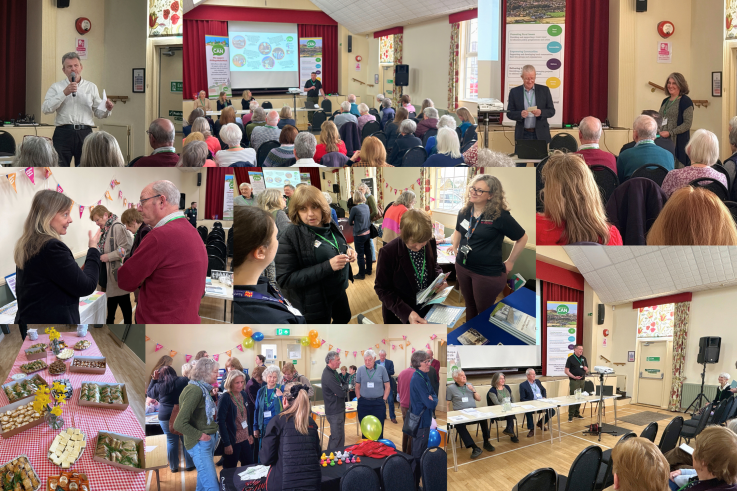
On Wednesday 18 March, Community Action Northumberland (CAN) hosted Village Halls Week at Stannington Village Hall, bringing together 72 attendees from across the county to celebrate the vital role village halls play in rural life. The event highlighted how these community hubs foster wellbeing, inclusion and social connection while showcasing practical innovations by village halls themselves.
Welcome and Opening Remarks
Attendees were greeted with lunch, networking, and a marketplace featuring local organisations such as Alncom, Escape Family Support, Northumberland County Council Public Health Team, Northumberland Archives, the Rural Digital Inclusion project, CAIRN and safeguarding consultant Caroline Friend.
Marc Johnson of Community Action Northumberland welcomed guests, while Stannington Village Hall Chair Sandra Dickinson covered housekeeping.
Jean Humphrys, Chair of CAN, opened the program with heartfelt appreciation for volunteers and trustees, calling them “unsung heroes” who keep communities going. She described village halls as “the heart of a community…a place where friendships are made, where inspiration comes through and new crafts and new skills are learned,” and emphasised that their work often happens quietly behind the scenes.
Health and Wellbeing Presentations
Public Health and Preventive Action
Aimee Boldara, Public Health Practitioner, and Luke Robertshaw, Deputy Director of Public Health at Northumberland County Council, shared insights into health inequalities across Northumberland, noting a 17-year life expectancy gap between the most and least deprived areas. They introduced the “5 Ways to Wellbeing” — connect, be active, take notice, give, and keep learning — and stressed that wellbeing “is everybody’s business.”
Warmth and Safety at Home
Leanne Shipley, Climate Action Officer at Community Action Northumberland, spoke on the impact of cold homes on physical and mental health, including increased risk of strokes, heart attacks, arthritis flare-ups, and depression. She provided practical guidance on draught-proofing, energy grants and safety measures for vulnerable residents, noting that the Priority Services Register offers additional support. Leanne also warned of hidden hazards like carbon monoxide, citing real-life cases where “cold ashes in a bucket” led to dangerous exposure, underscoring the importance of vigilance.
Safeguarding in Community Buildings
Caroline Friend, Safeguarding Training Consultant, gave a compelling presentation on safeguarding responsibilities in rural community settings. She reminded attendees that safeguarding “isn’t optional, it’s fundamental,” protecting children, adults at risk, volunteers and the wider community.
Using a jigsaw analogy, Caroline explained, “as a volunteer at a village hall, we sometimes become aware of one small piece of a jigsaw of somebody’s life…if we all pass on our one piece of the jigsaw, then it helps us understand the bigger picture for somebody who might be experiencing abuse.”
Caroline also challenged the common myth that abuse “doesn’t happen here,” highlighting that rural communities can be especially vulnerable due to privacy limitations, transport barriers, and reluctance to speak up. She encouraged trustees and volunteers to foster a culture of awareness and preparedness.
Village Hall Experiences: Health, Social Connection, and Facilities
Tricia Ranson — St Aidan’s Hall, Berwick-upon-Tweed
Tricia, a retired physiotherapist, spoke about the benefits of exercise and social activities for all ages, noting that many participants enjoy coffee and social time after classes. She observed, “exercise in our village halls isn’t just about physical health—it’s about social connection. People of all ages, from four to 90, benefit from the activity itself and the chance to meet others, share support and be part of a community.”
Sarah Brown and Andy Pigg — Chatton Village Hall
Sarah and Andy shared the success of their gym and outdoor play facilities. The gym accommodates 45–55 members, aged 20–70s, and generates £7,000 annually, covering approximately 80% of the hall’s costs.
Andy reflected on its value: “The gym we set up at Chatton Village Hall has become a real asset—supporting fitness, offering affordable access and generating crucial income that helps keep the hall running for everyone.”
They described how refurbished equipment was sourced locally and from Newcastle, while long-term planning ensures replacement costs are manageable. Andy also highlighted their community barbecue area, funded with support from local estates, councillors, and volunteers, providing a flexible space for informal gatherings, children’s parties, and fundraising events.
Sarah added perspective on the hall’s broader community role. She shared that “our village hall isn’t just a building—it’s a hub for all ages, with upgraded facilities, a play area and regular events, bringing the community together and supporting health and wellbeing across the parish.”
She also noted the toddler group, started by a local resident, which now serves 20+ children and offers vital social interaction for parents and grandparents in rural areas.
Norman Hooks — Stocksfield Community Centre
Norman shared the example of the Stocksfield Tuesday Club, a weekly community club serving hot meals and social activities to mostly older residents, many living alone. Operating almost every week for 14 years, it relies on around 30 volunteers with a flexible rota system to support cooking, delivery and hosting. Norman emphasised, “the single most important reason for our success is recruiting and retaining a lot of committed volunteers. Without them, we wouldn’t have a Tuesday club at all… People coming together, enjoying meals, taking part in activities and forming connections that really matter in our community.”
The club offers inclusive activities like carpet bowls, pottery workshops and social outings, while collaborating with organisations such as CAN to provide energy advice and training. Norman noted how small acts strengthen community connection and reduce isolation.
National Context and Closing Remarks
Andy Dean closed the event by situating Northumberland’s village halls within the wider national movement of the Action with Communities in Rural England (ACRE) network. Village Halls Week not only celebrates local achievements, but also highlights how rural halls combat loneliness, provide services and enrich communities across the country.
As Andy reminded us, “Village Halls exist across the country, and they are a force for immense good in rural communities. Even though you might feel alone in your work, you’re part of a much bigger movement, making a real difference every day.”
Final Thoughts
Village Halls Week serves as a reminder of the vital role village halls play in rural communities. We were thrilled to host this wonderful celebration and congratulate some of those hard-working trustees and volunteers in person. Community Action Northumberland will continue to work to support our village halls and all of our rural neighbours, ensuring these hubs of wellbeing, connection and community spirit continue to thrive.
A special thanks to all our speakers, Amazing Communities Together for their generous funding, Stannington Village Hall for hosting, Noisette Catering for the lunch, and to all the trustees and volunteers who make Northumberland village halls so important.
If you'd like any more information, get in touch with:
Tracey Morgan
Community Development Officer
T: 07919 531712
E: traceymorgan@ca-north.org.uk